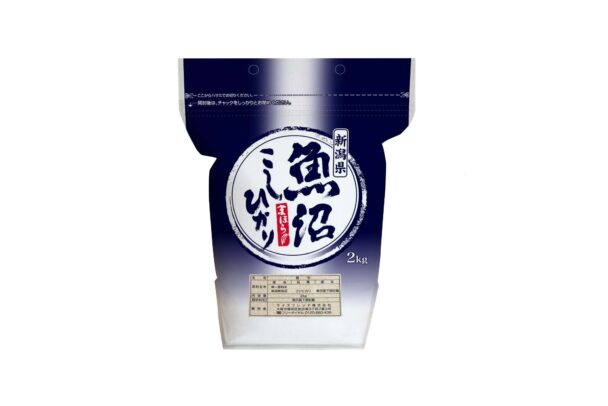
Niigata Uonuma Koshikari 2kg
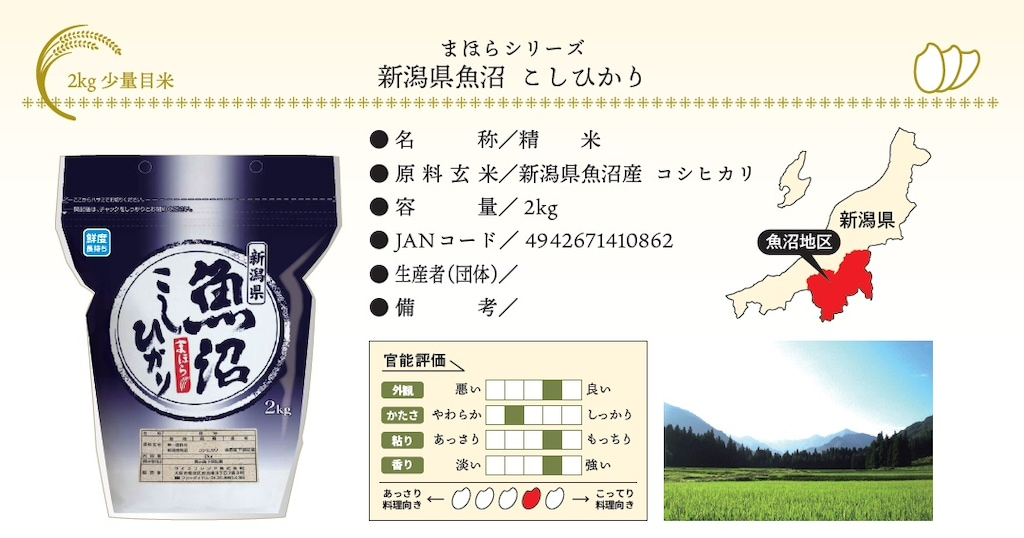
SKU: 3264 0320 17B 0862Niigata-Ken Uonuma Koshihikari Rice 2kg
まほら魚沼こしひかり 2kg
マホラウオヌマコシヒカリ2KG
Origin Prefecture: Niigata Prefecture
The Shinano River, the longest river in Japan, carries fertile soil along with abundant snowmelt water. In terms of climate, good weather continues from spring to summer. There are few damages from heavy rain and typhoons. In winter, It snows a lot in the mountainous region farmer. This snowmelt water is available for rice farming.
These natural conditions have greatly contributed to the rice farming in Niigata.
Variety:Niigata Uonuma Koshikari
This high-quality rice is harvested exclusively in the Uonuma region of Niigata Prefecture. Niigata Uonuma Koshihikari is a representative variety familiar to many people.It has a moderate hardness and good stickiness that allows you to feel the texture of the grains.
Recommended dishes
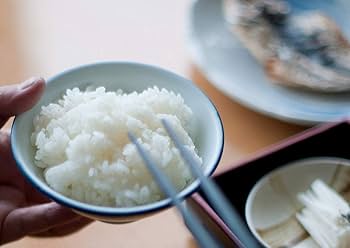
Niigata Uonuma Koshihikari matches tasting strong dishes.
Specifications
■Production area: Single-origin rice, Niigata Prefecture
■Variety: Koshihikari from Uonuma, Niigata Prefecture
■Production year: 2024
Instructions:
Wash the rice thoroughly with cold water. If the water starts to run clear, the rice is clean.
Drain all the water and let the rice rest for half an hour to soak thoroughly.
Cook the rice with the correct amount of water.
How much water?
A frequently asked question, with many vague answers. In Asia, millimeters of water weren't used in the past. The Japanese used cups instead of milliliters of water. Just like the Americans, they used cups instead of grams or millimeters of liquid. Therefore, for the correct amount of water for sushi, it's better to use cups. First, count the number of cups when washing the sushi rice. For example, 10 small cups. Once the rice is washed and you let it sit in the liquid for 20 to 30 minutes, add 11 cups of water. It should be the same size cup as the rice you washed.
For example, if you have 20 cups of rice, add 21 cups of water. You'll also need to experiment a bit to see how the results turn out. An electric rice cooker cooks very differently than a regular pot. With a rice cooker, you'll quickly lose less moisture, and it automatically switches to heating mode when the cooking is almost finished. With a regular pot with a lid, you have to reduce the heat to low at the last moment, or sometimes turn off the heat and let it simmer for a while without opening the lid.
Ingredienten: Rijst





 App ons: