 Oedo-Koh Incense Chrysanthemum (60 sticks)
JAPANSE INCENSE - OEDO-KOH INCENSE CHRYSANTHEMUM (60 STICKS)Japanse incenseThe gardeners of Komagome and Sugamo at Edo would have caused the chrysanthemum series of the Edo era. Edo residents loved the beautiful and spectacular,…
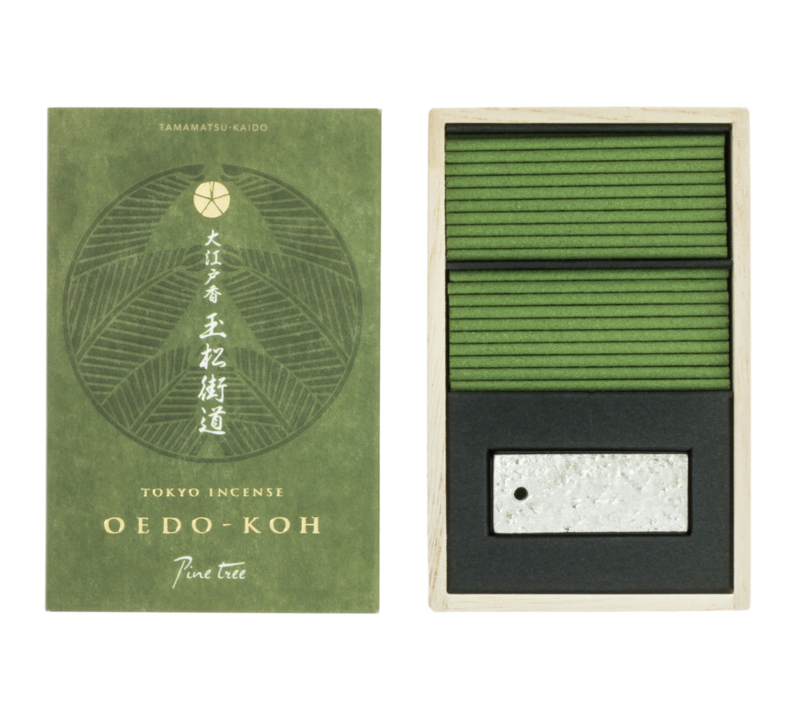
€ 29,50 Oedo-Koh Incense Pine (60 sticks)
OEDO-KOH INCENSE PINE (60 STICKS)Japanse incenseTraditionally, it is assumed that the kami (gods) live in evergreen trees. The word matsu means both "pine" and "waiting" (to let the deity descend), and the pine tree is part of the…
€ 29,50 Oedo-Koh Incense Cherry Blossom (60 sticks)
JAPANESE INCENSE - OEDO-KOH INCENSE CHERRY BLOSSOM (60 STICKS)Japanese incenseThe habit of viewing cherry blossom took place during the Edo period. The somei-yoshino cherry tree, which is now seen all over Japan in bushes, was…
€ 29,50 Oedo-Koh Incense Water drop (60 sticks)
JAPANESE INCENSE - OEDO-KOH INCENSE OEDO-KOH WATER DROP (60 STICKS)Japanese incenseIn the Edo period (1603-1868) people did not have a bath at home and public baths were built to meet the need. There were about 600 in Edo. At…
€ 29,50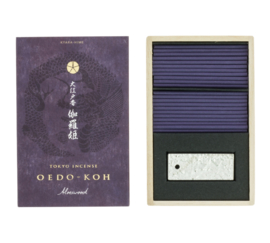 Oedo-Koh Incense Aloeswood (60 sticks)
JAPANESE INCENSE - OEDO-KOH INCENSE ALOESWOOD (60 STICKS)Japanese incenseIncense-smelling ceremonies were the practice of court members, feudal lords and other rich people. Even among ordinary people, although they might lack…
€ 29,50
Quality Collection
What is the difference between normal incense and Japanese incense?
Japanese incense can be made with sandalwood, agarwood, resin and essential oils. While some are only made with plant-based ingredients, others contain fragrance oils certified by the IFRA (International Fragrance Association) as well as dyes that distinguish one type of incense from another. Out of the many kinds available in the market, this incense is probably the most natural and it meets Japan’s strict health and quality requirements.
The base of the Japanese incense is made from the bark of the Tabu tree. A distinctive feature of this tree bark is the clay-like dough that results from mixing its powdered form with water. The dough can then be rolled into thin sticks.
- Water is added to the powder and the ingredients are pounded together. The process of making the incense is a delicate task. The hard work and experience that seasoned artisans have are fundamental for controlling all the variables that effect the little stick of incense: the quality and origin of the raw material, temperature, air humidity, water used for mixing, drying time…
- When the paste reaches the right consistency, it’s rolled into a noodle shape.
- Then, the incense sticks are cut so that they are equal in length and are left out to dry on wooden trays. They dry out in a big room where humidity and temperature are carefully monitored.
The incense stays in the factory for several days until it hardens. After, they are packaged and sent to all parts of the world.
Every detail matters and needs to be just right for an incense stick to burn correctly and delicately emit its fragrance.
For international shipping check our worldwide shipping partner JPNLifestyle.com
JPNLifestyle.com has same assortment with attractive worldwide shipping rates.





 App ons: